
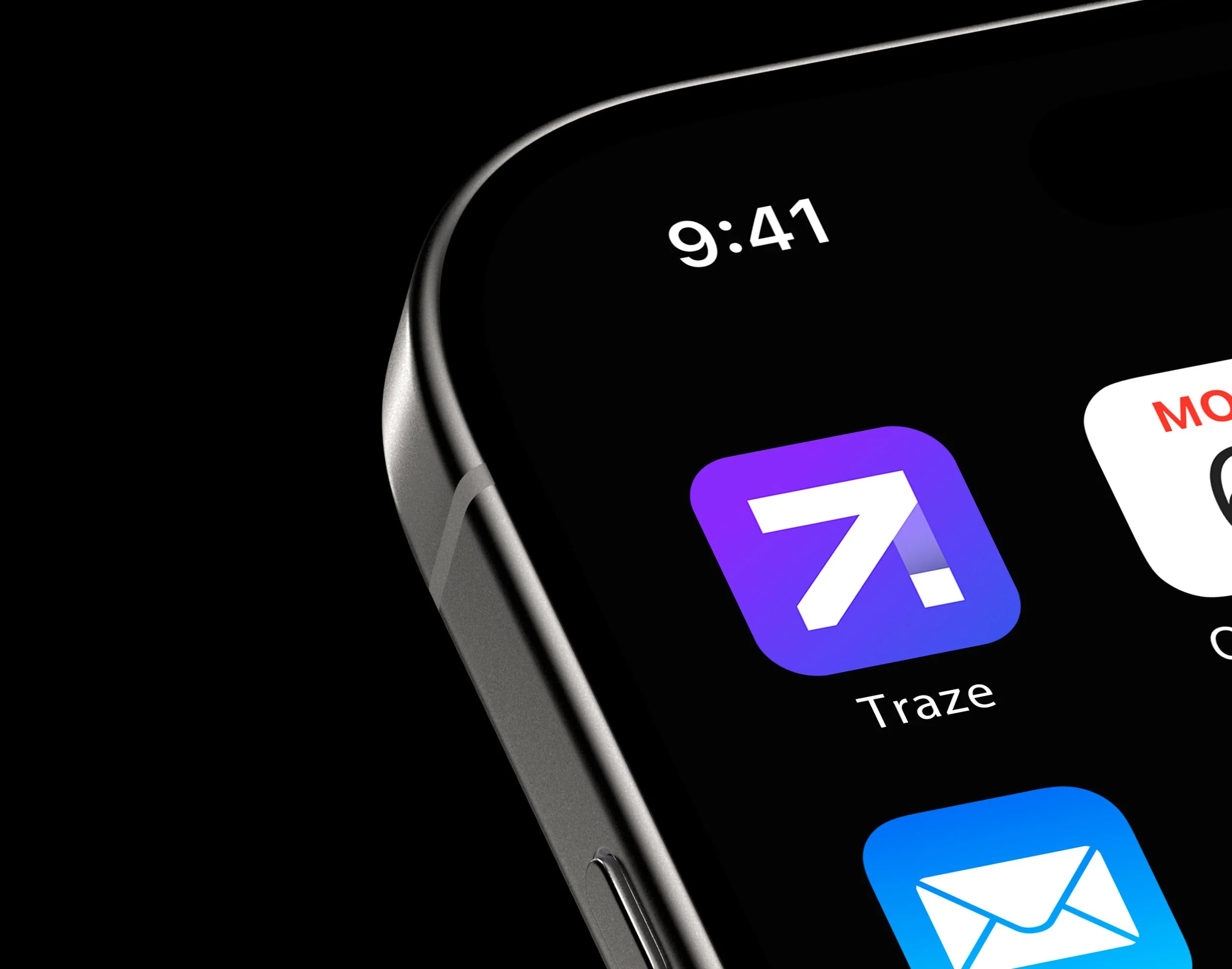
♞ Global rebrand rollout and systems strategy - Case study
CLIENT
Zeal Group
INDUSTRY
Trading, Fintech
SERVICES
BRAND ROLLOUT STRATEGY
DESIGN SYSTEM DEVELOPMENT
DESIGN FUNCTION SET-UP
BRAND GOVERNANCE
DIGITAL EXPERIENCE (WEB & APP)
CROSS-REGIONAL ALIGNMENT
Traze rebranding
Scaling a trading brand across six regions, digital products, campaigns and global operations.
Traze is Zeal Group’s global trading platform, operating across Africa, Asia, Europe, LATAM, MENA. After the initial rebrand was developed externally, the organisation needed more than a visual identity, it needed a scalable design ecosystem that could support rapid growth, multiple product lines, and a distributed team structure.
My remit was to evolve the brand’s identity into a functional visual infrastructure, translating the core concept into systems, templates, workflows, and governance models that would allow every region to design consistently and confidently. This required aligning designers, marketers, product teams, and compliance stakeholders across markets with different operational needs and cultural contexts, ultimately enabling the brand to be adopted across five markets and significantly reducing design turnaround times through a newly centralised design function.
AT A GLANCE
-
Large, fast-moving fintech environments often struggle to maintain visual consistency across regions, channels, and product teams, especially when an identity arrives without the specifications or systems required for real-world implementation. Traze faced a similar challenge: while the brand concept was strong, it lacked the depth, guidance, and structural logic needed to scale.
Key issues included:
Inconsistent application
Regions interpreted the identity differently, resulting in fragmented visuals, inconsistent layouts, and misaligned messaging.Operational inefficiency
Designers and marketers were recreating assets from scratch, slowing down production cycles and increasing the risk of errors.Absence of governance
Without a unified system, there was no shared foundation for design decisions, no version control, and no centralised place for teams to collaborate.Digital misalignment
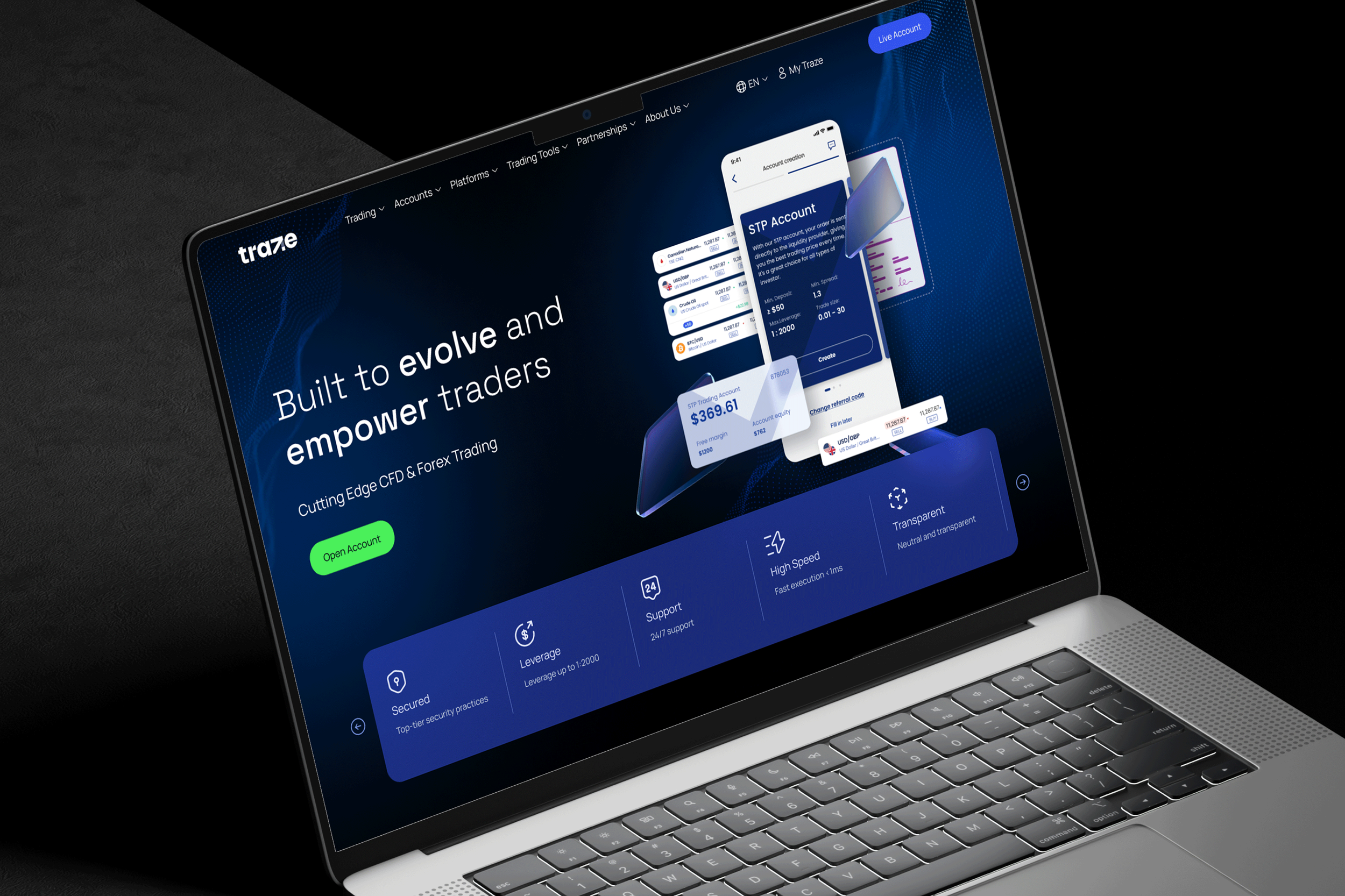
The website, app interface, and social channels all used slightly different interpretations of the brand, creating an uneven experience for users and partners. -
To address these challenges, I led the creation of a comprehensive design ecosystem that transformed the identity from a static concept into a scalable, operational brand system. The goal was to build a framework that could flex across markets, adapt to product demands, and remain consistent regardless of regional interpretation.
Key features of the solution included:
System refinement
A complete CMYK and RGB colour system, expanded typographic hierarchy, and unified layout grids to create visual consistency across print, digital, and motion.Global Figma library & content system
A fully modular design library including UI components, iconography, templates, and a curated photo bank for use across all regions, enabling designers to work faster and more consistently.Cross-regional creative hub
I unified designers across London, Thailand, and Vietnam under a centralised workflow, establishing shared standards and operational rituals that supported autonomy and alignment simultaneously.Website & app alignment
Worked closely with product and engineering teams to bring the digital experience in line with the refined identity, ensuring that the visual language translated seamlessly into interface design.Governance & QA
Introduced version control, naming conventions, approval pathways, and ongoing evolution processes to maintain brand integrity as new sub-brands and campaigns emerged. -
The rollout established a coherent, scalable brand ecosystem that improved both the speed and quality of creative output across the organisation. By introducing a unified system and centralised workflows, Traze teams were able to collaborate more effectively while maintaining a consistent visual identity across all regions and touchpoints.
Measurable outcomes:
40% faster production cycles, driven by reusable templates and a centralised Figma library.
Consistent brand execution across six regions, reducing fragmentation and improving the customer experience.
Consolidated the design function into a single, centralised operation, bringing all regional designers under one structure and implementing processes that significantly improved alignment, efficiency, and output quality.
Stronger alignment between design, marketing, and compliance, accelerating approval processes and reducing revisions.
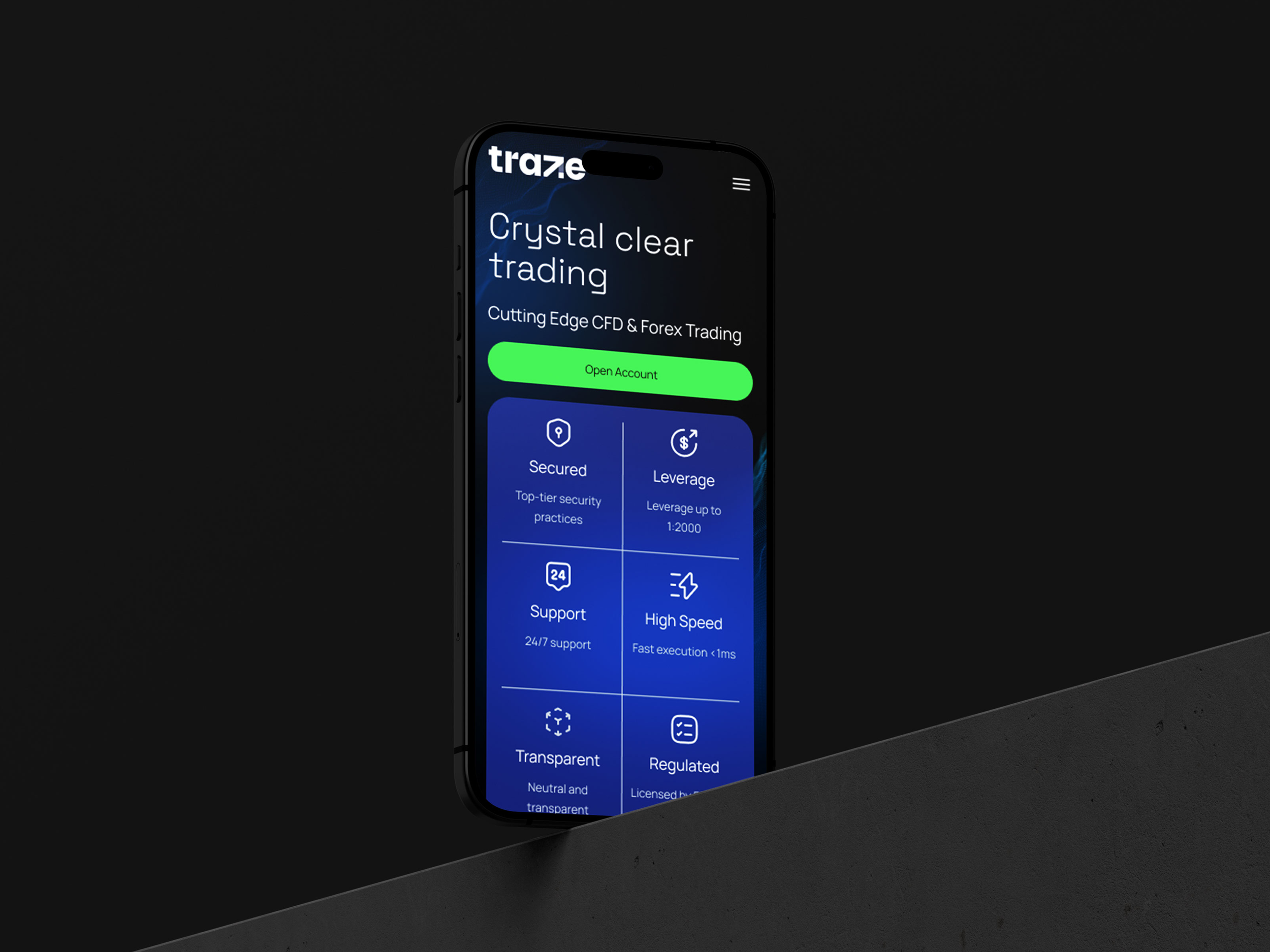
A unified digital presence, with the website and app brought in line with the refined visual system.
Improved internal adoption, supported by training sessions, toolkits, and clear governance structures.
Overall, the framework shifted Traze from a fragmented visual landscape to a cohesive, operationally efficient brand system — one that now supports growth, regional autonomy, and long-term scalability.
THE PROCESS STEP BY STEP
01 | Strategy & Approach
My approach was to structure the rebrand into four phases: first refining the inherited identity, then building a modular design system, leading a coordinated global rollout, and finally setting up long-term governance to ensure consistency as the brand scaled.

Rebrand rollout framework
Phase 1 - Foundation:
Audit & Refinement
Reviewed the external agency’s delivery and identified missing specifications across logo, colour, and typography. Refined the identity for digital scalability, ensuring it could flex across platforms and compliance regions.
Phase 2 - Systemisation:
Building the Design ecosystem
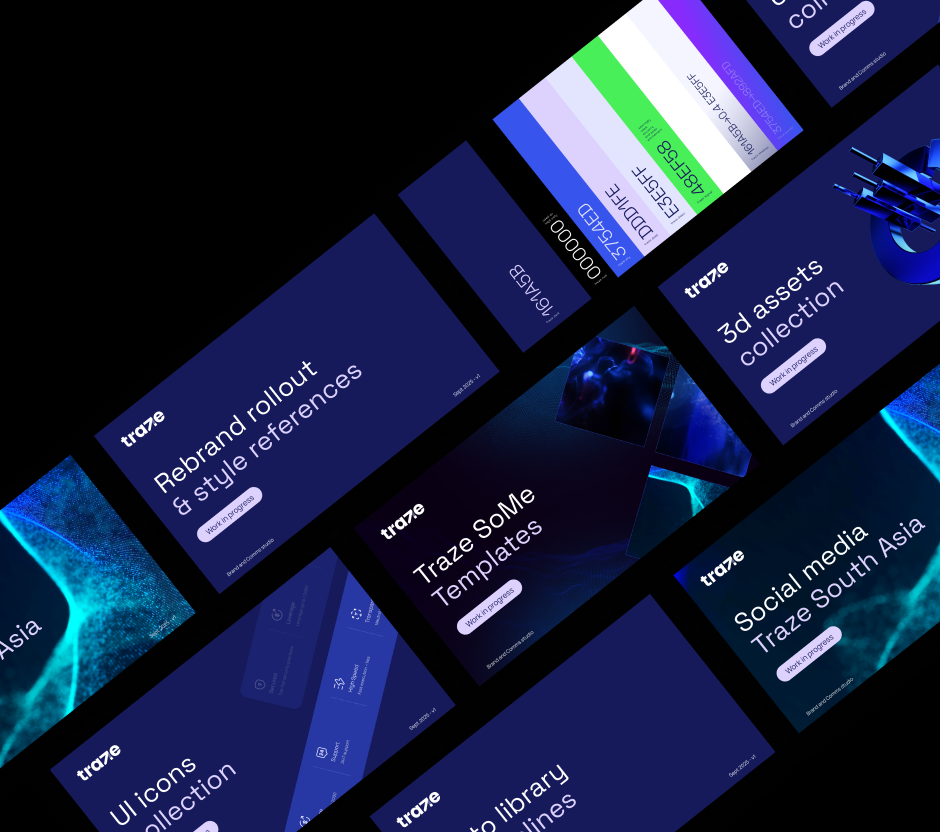
Under my direction, the team created a fully modular Figma library, photo bank, style guides, iconography and social media templates, establishing the core design language for Traze.
Phase 3 - Implementation:
Global rollout & Regional alignment
Unified the Creative Hub across London, Thailand, and Vietnam, streamlining workflows through Monday.com and Adobe Libraries. Oversaw the website redesign and app visual alignment, ensuring a cohesive user and brand experience across all digital touchpoints.
Phase 4 - Brand governance:
Ongoing Evolution
Introduced version control, QA processes, and feedback loops to maintain brand integrity as new sub-brands and campaigns emerged.
FRAMEWORKS & CONSISTENCY
Systemisation
Building the design ecosystem
The systemisation phase focused on putting structure behind the identity by building both the creative assets and establishing the design function within the group that would support long-term consistency.
On the asset side, I developed the global Figma libraries, including components, iconography, templates, and a curated photo system , giving teams a unified toolkit to work from. In parallel, I established the studio workflow, introducing structured briefing processes, production standards, and a clear operational rhythm that aligned designers and stakeholders across regions.Together, these foundations created a scalable ecosystem where the brand could be applied efficiently, accurately, and at speed.



ROLLOUT & EVOLUTION
Applications &
Brand Governance
Applications, regional adaptation and consistency
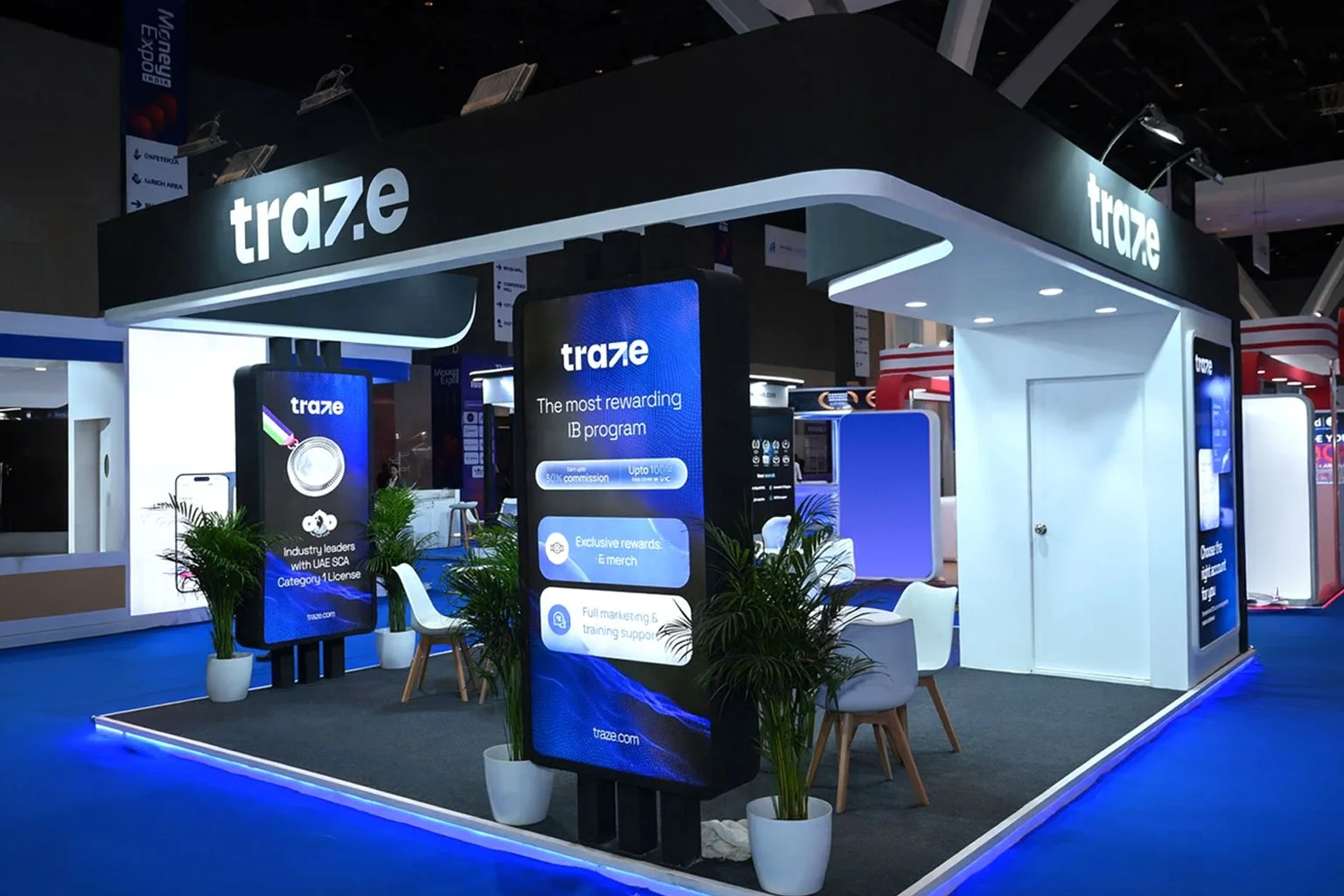
The rollout spanned every major touchpoint across the organisation, covering Product, Marketing, Sales, Events, and Brand & Comms.
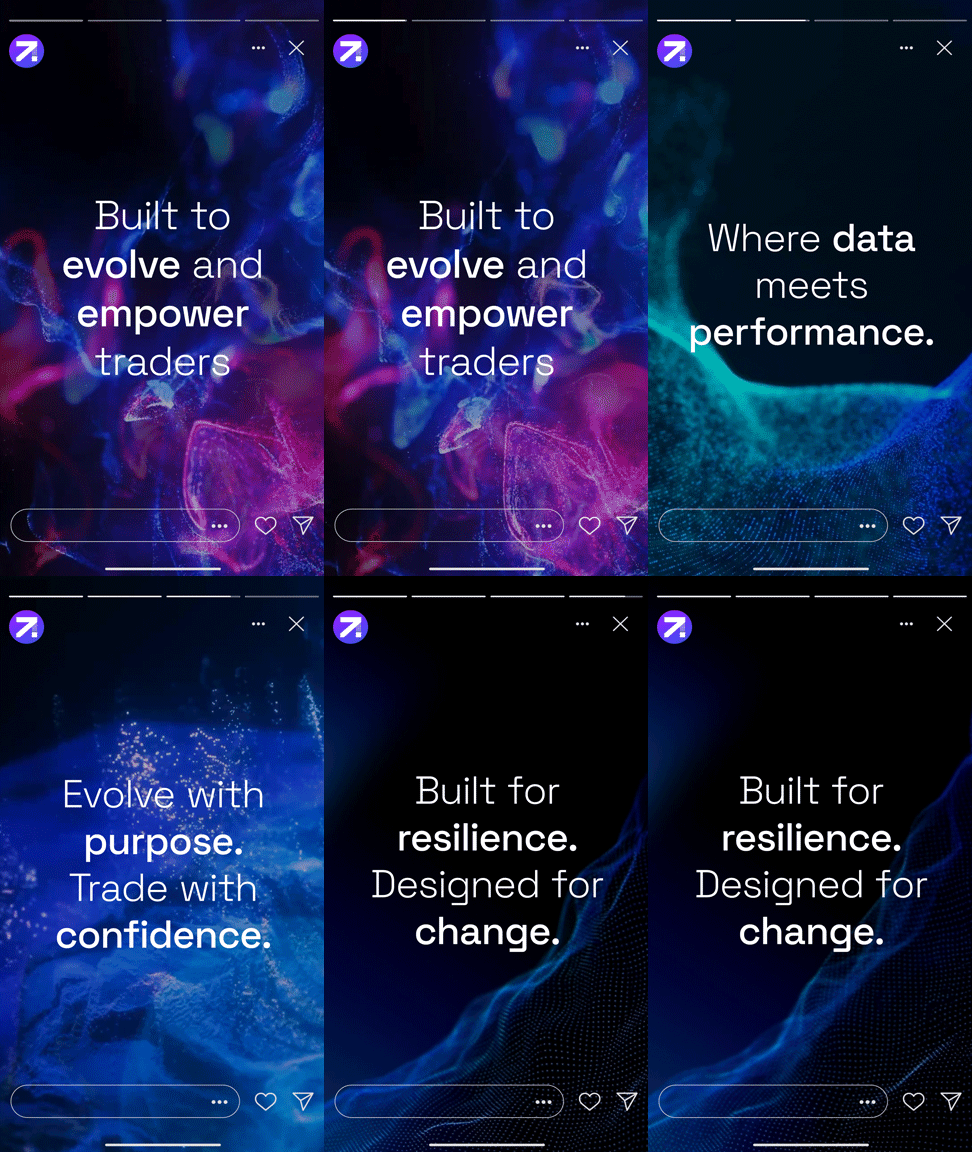
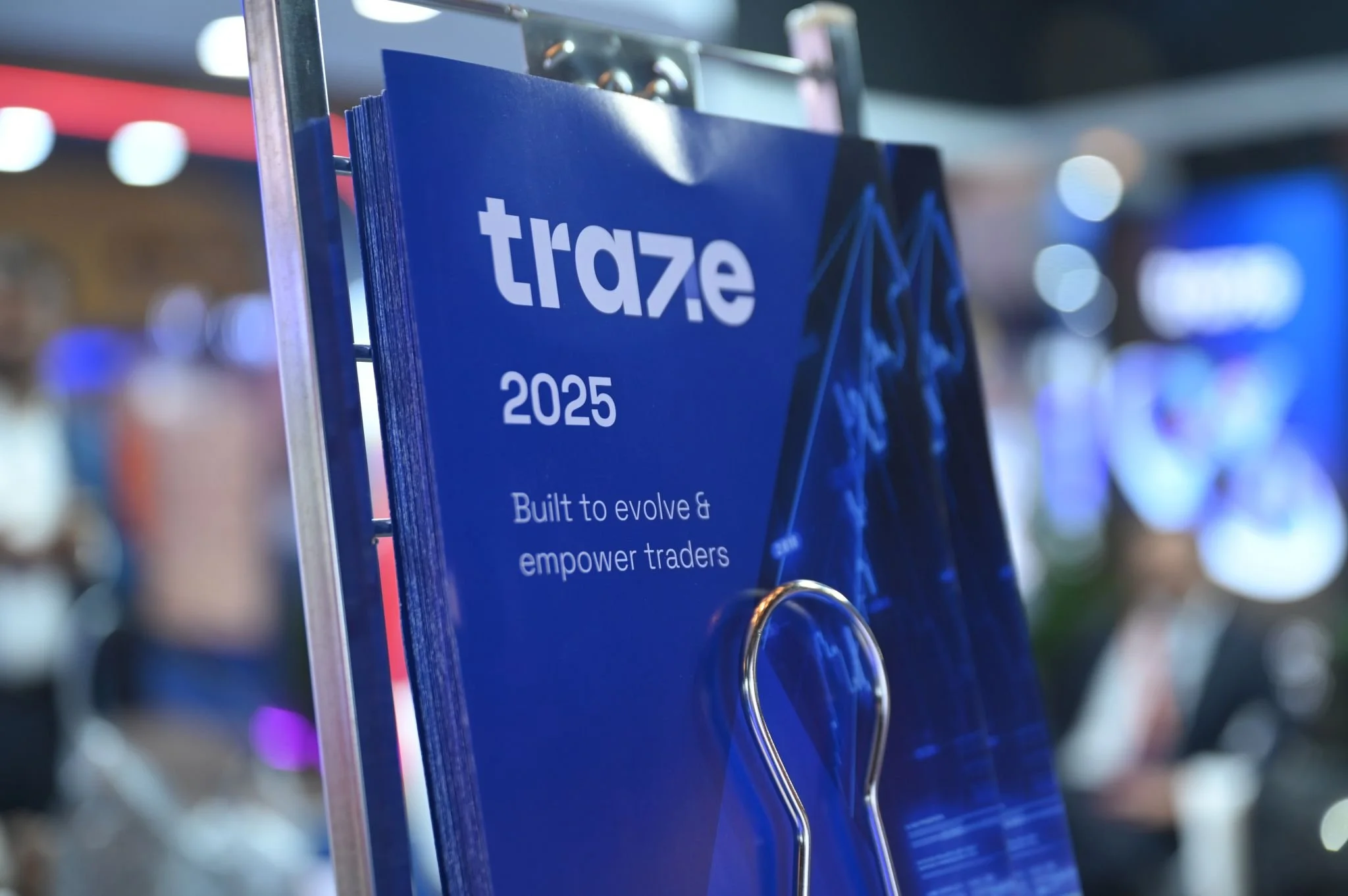
Applications extended across both offline and digital channels: from physical events and printed materials to social media, CRM assets, video content, and the full web and app experience.
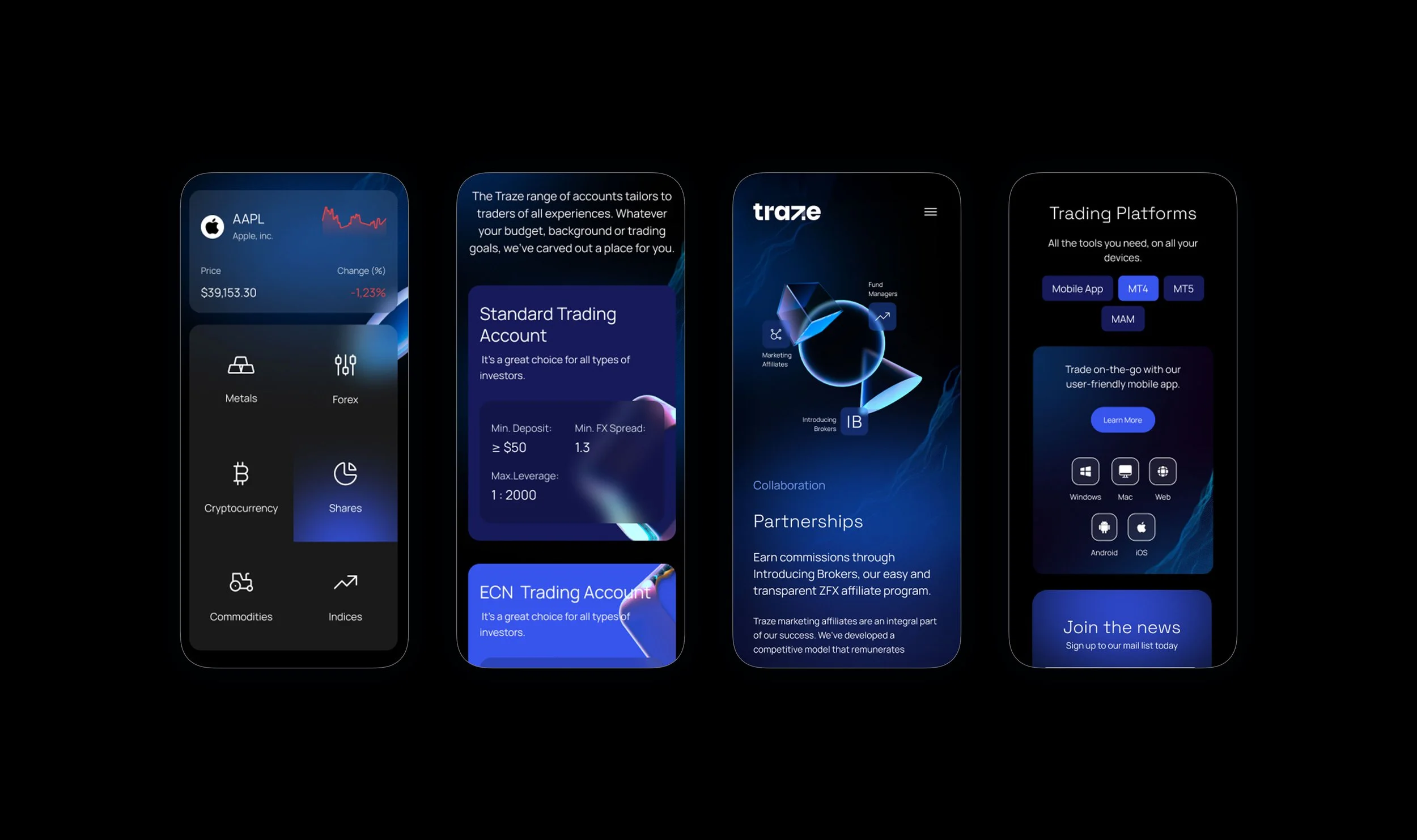
With the core system in place, the next phase focused on real-world rollout across all regions. This meant translating the identity into key applications, social templates, digital campaigns, presentations, event materials, and regulatory assets.
A major priority was enabling regional adaptation without losing consistency. By centralising the design function and collaborating closely with local teams, we streamlined approvals, aligned expectations, and ensured each market could execute confidently within the global system.
Sustaining this consistency required clear governance. I introduced version control, naming conventions, and structured asset management, ensuring teams always worked with the latest tools. Ongoing QA and review cycles with marketing, product, and compliance helped maintain coherence across social channels, the website, and the app.
Together, these practices created a shared operational standard across the organisation, reducing revisions, strengthening brand integrity, and accelerating delivery.
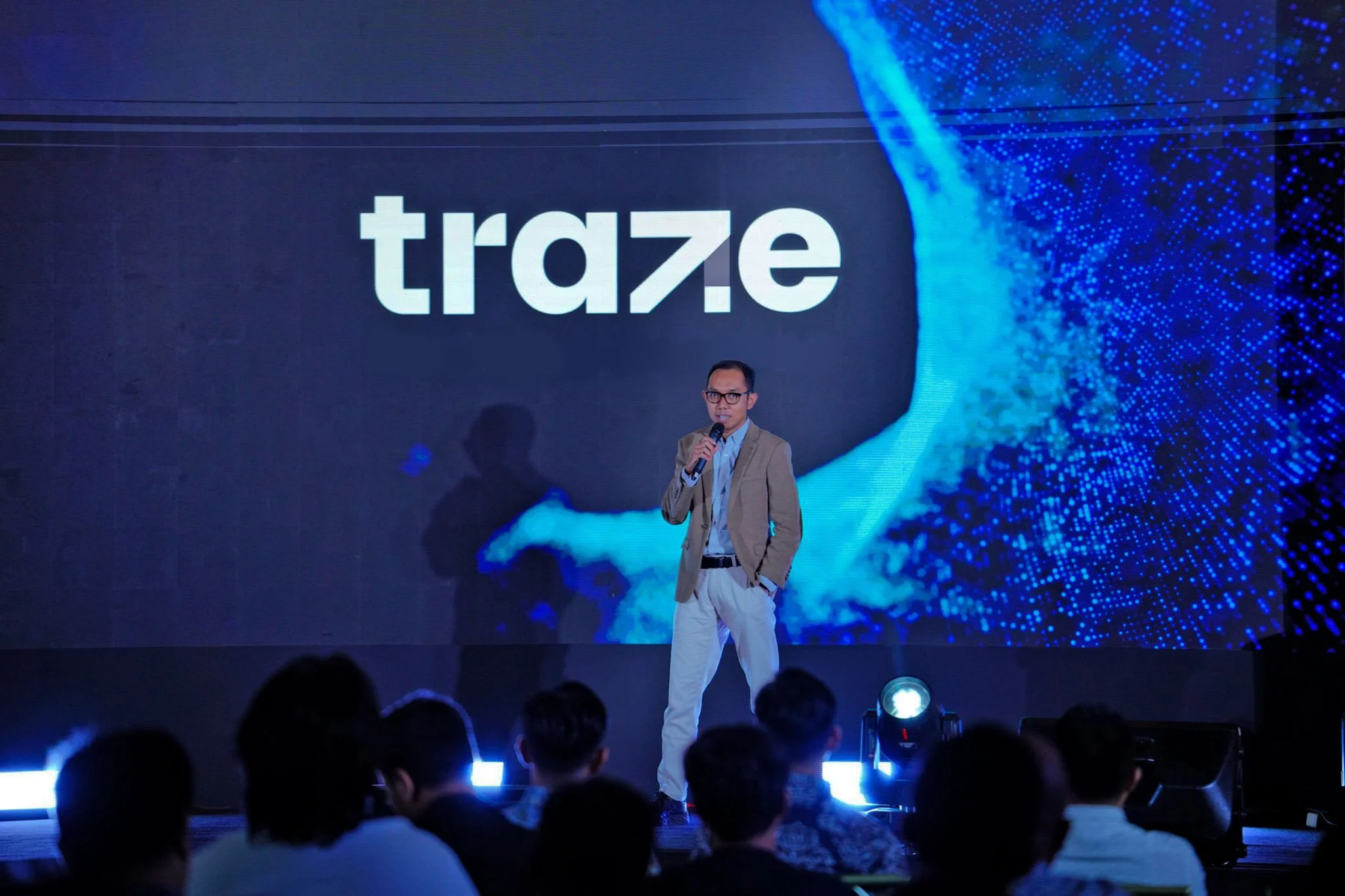
RESULTS
Contextual Group Impact
The Traze rollout contributed to a broader transformation across Zeal Group’s Brand & Communications function, establishing systems and workflows that supported greater consistency, speed and cross-regional delivery.Group-level results (Brand & Comms Department):
Traze project impact
40% faster production cycles
Consistent execution across six regions
One centralised global design function
Unified brand experience across web and app
Wider organisational impact
54% increase in brand keyword searches
402+ assets delivered and approved
28 major projects completed
Seven regions supported globally